Program Overview
Green Impact Nepal successfully organized a comprehensive virtual program focused on geo-hazard scenarios and disaster risk reduction strategies specifically tailored for Nepal's unique geographical and environmental challenges. This educational initiative aimed to enhance community awareness and preparedness for natural disasters.
Nepal's location in a seismically active region, combined with its mountainous terrain and monsoon climate, makes it particularly vulnerable to various geo-hazards including earthquakes, landslides, floods, and glacial lake outburst floods (GLOFs). Understanding these risks and developing appropriate response strategies is crucial for community resilience.
Key Discussion Topics
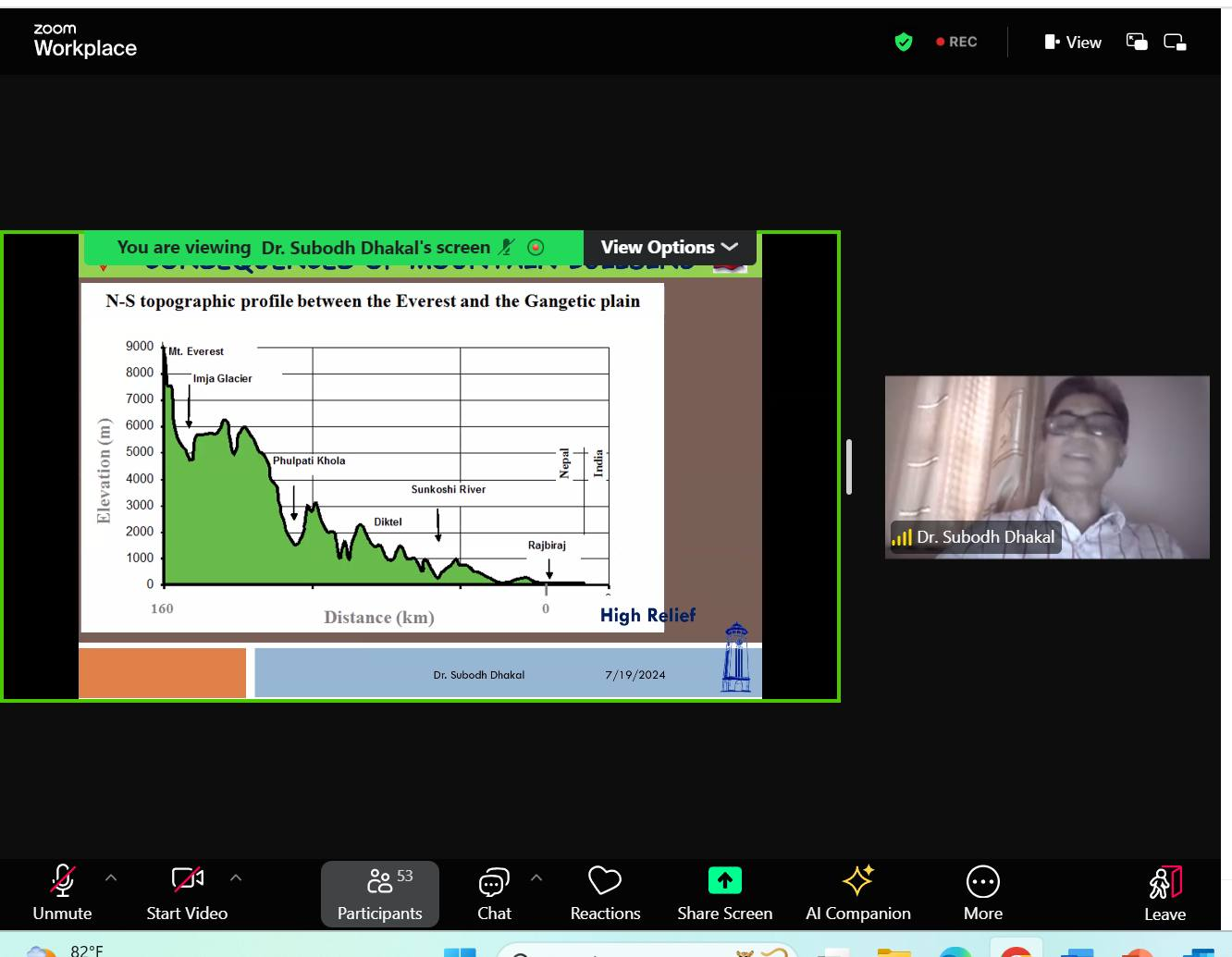
The virtual program covered a comprehensive range of topics essential for understanding and managing geo-hazards in Nepal. Participants learned about the scientific basis of various natural hazards, their potential impacts on communities, and evidence-based strategies for risk reduction and disaster preparedness.
Expert presentations included case studies from recent disasters in Nepal, highlighting lessons learned and best practices for community-based disaster risk management. The program emphasized the importance of early warning systems, community preparedness plans, and the role of local knowledge in disaster risk reduction.
Program Highlights
Geo-hazard Education
- Earthquake risk assessment
- Landslide vulnerability mapping
- Flood hazard identification
Risk Reduction Strategies
- Community preparedness planning
- Early warning systems
- Emergency response protocols
Impact and Outcomes
The virtual format enabled widespread participation from across Nepal, reaching communities that might not have had access to in-person training programs. Participants gained valuable knowledge about identifying local hazards, developing family emergency plans, and contributing to community resilience initiatives. This program represents Green Impact Nepal's commitment to building disaster-resilient communities through education and awareness.